
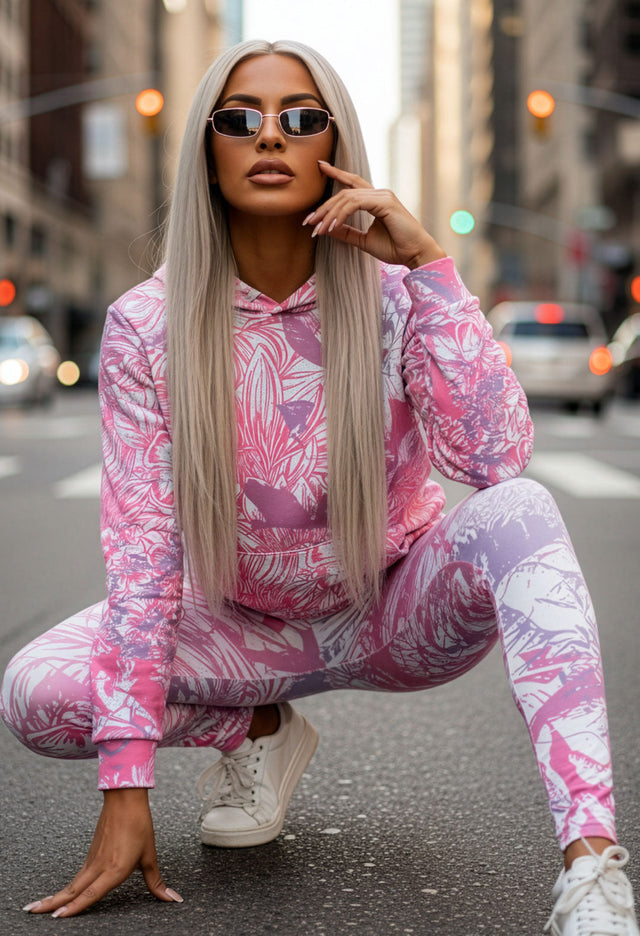
Fashion Forward: Exploring the Influence of Street Style on High Fashion
In the dynamic world of fashion, there is a captivating trend that has left an indelible mark on the industry - street style. The fusion of urban culture, individuality, and self-expression has sparked a transformative shift, impacting high fashion in profound ways. In this article, we embark on an enlightening journey to understand the symbiotic relationship between street style and high fashion.
How is fashion influenced by street style?
The influence of street style on high fashion is a fascinating interplay of creativity and cultural exchange. Streetwear, born from the streets and embraced by urban communities, has transcended its grassroots origins to become a global phenomenon that resonates with people of all backgrounds. What sets street style apart is its innate ability to capture the essence of everyday life, reflecting the attitudes, values, and aspirations of its wearers.
The streets have become an open canvas for fashion experimentation, where individuals curate their personal style without the constraints of traditional norms. This uninhibited approach to dressing has captured the attention of the high fashion world, who recognize the power of self-expression as a driving force in fashion's ever-evolving landscape.
Street style's allure lies in its authenticity and its direct connection to real-life experiences. Whether it's a bold graffiti mural, a bustling street market, or a vibrant music festival, these urban landscapes become sources of inspiration for innovative design. High fashion designers look to the streets to gain insights into emerging trends, avant-garde styles, and the latest in urban culture, infusing these elements into their high-end collections.
One of the remarkable impacts of street style on high fashion is its ability to break down barriers and make designer creations more accessible to a broader audience. The fusion of streetwear aesthetics with high fashion brings forth a refreshing sense of approachability, democratizing fashion in unprecedented ways.
Incorporating street style elements into high fashion collections offers designers an opportunity to experiment with bold colors, unconventional silhouettes, and unexpected fabric combinations. The juxtaposition of haute couture with street-inspired details results in an intriguing juxtaposition that challenges the conventional notions of luxury.
Furthermore, the rise of social media platforms has amplified the reach and influence of street style on a global scale. Fashion enthusiasts from diverse cultures and backgrounds showcase their unique styles, creating an online tapestry of inspiration for designers worldwide. High fashion houses now engage with streetwear influencers and tastemakers, recognizing the authenticity and genuine connection they have with their followers.
As fashion becomes increasingly democratic, street style plays a pivotal role in shaping the industry's future. The boundaries between streetwear and high fashion are continuously blurring, ushering in a new era of inclusivity and creativity. This symbiotic relationship between the streets and the runway empowers individuals to express their identities through fashion, while high fashion designers embark on a journey of reinvention and artistic exploration.
The influence of street style on high fashion is a testament to the power of self-expression and the dynamic relationship between creators and consumers. Streetwear's ability to bridge the gap between casual and luxury has breathed new life into the fashion landscape, making it more inclusive, versatile, and exciting than ever before. The fusion of street style aesthetics with high fashion collections is a celebration of the vibrancy and diversity of modern culture.
What is the difference between street fashion and high fashion?
Street fashion, also known as streetwear, is rooted in the streets, reflecting the unique styles and attitudes of urban communities. It draws inspiration from various subcultures, such as hip-hop, skateboarding, and punk, celebrating the individuality and self-expression of its wearers. Streetwear is characterized by its casual and comfortable aesthetics, often featuring graphic tees, hoodies, sneakers, and oversized silhouettes. It is a democratic form of fashion that empowers individuals to curate their looks based on personal preferences rather than adhering to traditional fashion norms.
On the other hand, high fashion, often referred to as haute couture, represents the epitome of luxury and craftsmanship. High fashion is synonymous with prestigious fashion houses that create exclusive, one-of-a-kind pieces for elite clientele. These collections are meticulously crafted by skilled artisans, featuring intricate details, fine fabrics, and impeccable tailoring. The world of high fashion is known for its runway presentations, extravagant fashion shows, and glamorous events.
One of the key distinctions between street fashion and high fashion lies in their accessibility and price points. Streetwear is generally more affordable and widely available, making it accessible to a broader audience. High fashion, however, comes with a premium price tag, reserved for those with the financial means to invest in designer pieces.
Another significant difference is the target audience. Streetwear caters to a diverse and youthful demographic, often appealing to individuals seeking urban and contemporary styles. High fashion, on the other hand, targets a more affluent and sophisticated clientele who appreciate the artistry and exclusivity of designer creations. Despite their apparent contrasts, street fashion and high fashion have experienced a fascinating convergence in recent years. An integration that has led to a blurring of boundaries, as high fashion garments now feature casual elements like oversized hoodies, sporty accents, and street-inspired prints. The fusion of street style with high fashion has given rise to a fashion universe that is both daring and diverse, offering a multitude of possibilities for sartorial exploration and personal style.
What are the characteristics of street fashion?
Street fashion is a canvas for self-expression, allowing individuals to showcase their personalities, beliefs, and affiliations through their clothing choices. One of the defining features of street fashion is its fearless approach to mixing and matching diverse elements. This unconventional blending of styles creates a visually striking and eclectic aesthetic that captures the essence of urban life.
In addition to its eclectic nature, street fashion also emphasizes comfort and functionality. Many streetwear staples, like oversized hoodies, joggers, and sneakers, are designed with mobility and ease of wear in mind. This practicality stems from the origins of streetwear as clothing worn by skaters and athletes who needed garments that allowed them to move freely.
Another hallmark of street fashion is its focus on exclusivity and limited editions. Streetwear brands often release limited runs of their products, creating a sense of urgency and desirability among consumers. Limited-edition drops and collaborations with artists or other brands contribute to the collectible nature of streetwear, making it a sought-after commodity in the fashion world.
Furthermore, street fashion is deeply influenced by popular culture and current events. It is a reflection of the zeitgeist, responding to societal changes and trends. Streetwear designers often incorporate references to music, movies, and other cultural phenomena into their designs, creating garments that resonate with their target audience on a deeper level.
Perhaps one of the most notable characteristics of street fashion is its ability to transcend traditional gender norms. Streetwear is inherently gender-neutral, with many pieces designed to be worn by people of all genders. This inclusivity and non-conformity to gender expectations have made street fashion a symbol of progressive and forward-thinking values in the fashion industry.
As street fashion has evolved over the years, it has become more than just a style; it has become a lifestyle and a subculture in its own right. Streetwear enthusiasts form communities and subcultures, bonding over their shared love for this unique and empowering fashion movement.
In conclusion, the characteristics of street fashion embody the celebration of individuality, creativity, and cultural diversity. It is a bold and dynamic genre that defies conventions and embraces the unique and authentic self. With its fearless combination of styles, focus on comfort and functionality, and strong ties to popular culture and urban life, street fashion continues to shape the global fashion landscape and inspire designers and consumers alike.
Why is streetwear fashion so popular?
The popularity of streetwear can be attributed to several key factors that have captured the hearts of fashion enthusiasts worldwide. One of the primary reasons for its appeal is its seamless integration with the casual and on-the-go lifestyle of the modern era. As people juggle multiple responsibilities and navigate fast-paced urban environments, the need for clothing that is both comfortable and stylish has never been more evident.
Streetwear's emphasis on comfort and functionality aligns perfectly with the demands of contemporary living. Garments like hoodies, joggers, and sneakers provide the ease of movement and practicality needed for a dynamic and active lifestyle. This practical approach to fashion resonates with individuals who prioritize comfort without compromising on style.
Moreover, streetwear has become a symbol of authenticity and individuality in a world dominated by mass-produced fashion. The emphasis on personal expression and self-identity appeals to a generation that values uniqueness and seeks to break away from cookie-cutter trends. Streetwear enthusiasts can curate their looks to reflect their personality, interests, and values, creating an empowering sense of ownership over their fashion choices.
In addition to its functional and individualistic aspects, streetwear's cultural significance has played a crucial role in its popularity. Originating from urban subcultures and underground movements, streetwear has a rebellious and counter-cultural allure that resonates with young and diverse audiences. It serves as a powerful means of self-assertion and defiance against mainstream norms, making it a rallying point for those seeking to challenge traditional fashion conventions.
Furthermore, the rise of streetwear can be attributed to its influential presence in popular culture and the entertainment industry. Celebrities, musicians, and athletes often champion streetwear brands, turning their clothing choices into trends that fans eagerly adopt. The association with cultural icons and influencers further cements streetwear's status as a symbol of contemporary coolness and relevance.
Social media has also played a pivotal role in the popularity of streetwear. Platforms like Instagram, Twitter, and TikTok have become virtual runways where streetwear enthusiasts showcase their style and discover new trends. The democratization of fashion through social media has allowed streetwear to reach a global audience, transcending geographical and cultural boundaries.
Moreover, collaborations between streetwear brands and high-end luxury labels have contributed to the mainstream appeal of streetwear. These partnerships have blurred the lines between street fashion and high fashion, elevating streetwear to new heights of prestige and desirability. The fusion of streetwear aesthetics with luxury craftsmanship has created a new category of elevated streetwear, often referred to as "luxury streetwear," which appeals to both streetwear enthusiasts and high fashion connoisseurs alike.
In conclusion, streetwear's popularity can be attributed to its ability to cater to the needs and aspirations of a modern and diverse audience. Its emphasis on comfort, individuality, and cultural significance has made it a powerful force in the fashion industry. As streetwear continues to evolve and adapt to changing tastes and preferences, its influence on global fashion is set to endure, shaping the way we dress and express ourselves for years to come.
How did streetwear become luxury?
The journey of streetwear from the streets to the runways of luxury fashion houses can be traced back to the 1980s and 1990s when the hip-hop and skateboarding subcultures began to shape the streetwear aesthetic. What started as a form of self-expression for urban youth quickly gained momentum and caught the attention of designers and fashion enthusiasts alike.
Visionary streetwear designers played a pivotal role in elevating the genre to a luxury status. Brands like Supreme, Off-White, and A Bathing Ape (BAPE) emerged as pioneers in the streetwear scene, combining innovative designs with limited-edition drops that created a sense of exclusivity and desirability. These brands strategically tapped into the concept of "hype," generating immense buzz and cultivating a loyal fan base that eagerly awaited each new release.
The rise of streetwear coincided with the emergence of the athleisure trend, which blurred the lines between activewear and high fashion. Luxury fashion houses took notice of the growing popularity of streetwear and began incorporating elements of casual wear into their collections. This marked the beginning of the collaboration trend, where luxury brands teamed up with streetwear labels to create unique and sought-after pieces that combined the best of both worlds.
High-profile collaborations between streetwear brands and luxury fashion houses further solidified streetwear's position in the luxury market. Iconic partnerships like Louis Vuitton x Supreme, Gucci x Dapper Dan, and Balenciaga x Vetements garnered immense attention and acclaim, bridging the gap between street style and high fashion. These collaborations brought a fresh perspective to luxury fashion, embracing the edgy and rebellious spirit of streetwear while maintaining the luxurious craftsmanship and heritage of the high-end brands.
The influence of streetwear on luxury fashion extended beyond collaborations, with luxury designers incorporating streetwear elements into their regular collections. Hoodies, oversized T-shirts, track pants, and sneakers became prominent features on high fashion runways, blurring the traditional boundaries of what constitutes luxury attire. The infusion of streetwear's urban edge into luxury collections challenged the conventional notions of luxury, presenting a more inclusive and diverse definition of high fashion.
Moreover, the rise of streetwear as a luxury category was fueled by the changing consumer landscape. Younger generations, known as millennials and Gen Z, became a dominant force in the fashion market. These consumers valued authenticity, individuality, and a connection to cultural movements. Streetwear, with its roots in urban subcultures and its emphasis on self-expression, resonated deeply with these demographics, driving demand for streetwear-infused luxury pieces.
As the lines between streetwear and luxury continued to blur, luxury brands embraced streetwear aesthetics in their marketing strategies. Collaborations with streetwear influencers, digital marketing campaigns targeting streetwear enthusiasts, and limited-edition drops mimicking the streetwear model became common practices for luxury brands to engage with a younger and more diverse audience.
In conclusion, streetwear's evolution into a luxury category is a reflection of its cultural impact and the changing dynamics of the fashion industry. Visionary designers, high-profile collaborations, and the influence of a younger and more diverse consumer base have all contributed to the transformation of streetwear from a subculture to a global fashion phenomenon embraced by luxury fashion houses. The fusion of streetwear's urban edge with luxury craftsmanship has redefined the notion of luxury, making it more accessible, inclusive, and relevant to a new generation of fashion enthusiasts.
Is streetwear timeless?
One of the remarkable aspects of streetwear is its remarkable adaptability and ability to remain relevant throughout the years. Unlike fleeting fashion trends that quickly fade, streetwear has proven itself to be a resilient and timeless movement that continuously reinvents itself to suit the ever-changing landscape of fashion.
Streetwear's timelessness can be attributed to its strong connection with urban culture and the influential subcultures from which it emerged. It was born from the streets, deeply rooted in the raw creativity and self-expression of urban youth. This authentic origin has granted streetwear a certain authenticity and relatability that transcends time and geographical boundaries.
Moreover, streetwear has embraced the concept of constant reinvention, seamlessly incorporating new influences and ideas into its aesthetic while staying true to its core values. It has always been a canvas for designers and creatives to experiment with bold graphics, innovative materials, and unconventional styles, resulting in ever-evolving collections that capture the spirit of the times.
The democratizing nature of streetwear has also played a significant role in its timeless appeal. Unlike traditional high fashion, streetwear is accessible to a wide audience, allowing individuals from diverse backgrounds to engage with and interpret the genre in their unique way. This inclusivity has created a global community that appreciates streetwear as a form of cultural expression, transcending borders and generations.
Another factor contributing to streetwear's timeless allure is its ability to resonate with different subcultures and societal shifts. Over the years, streetwear has become a canvas for voicing cultural, political, and social commentary. From its early days as a symbol of rebellion to its current position as an avenue for promoting diversity and inclusivity, streetwear has adapted to reflect the values and concerns of the times.
Furthermore, collaborations between streetwear labels and high fashion brands have served as a testament to streetwear's ongoing relevance. The partnership between streetwear and luxury has redefined the boundaries of what constitutes high fashion, proving that streetwear is not just a passing trend but a vital and influential part of the fashion landscape.
Streetwear's embrace of digital platforms and social media has also contributed to its timelessness. It has leveraged technology to maintain its presence and relevance, reaching wider audiences and staying connected with its loyal fan base. The streetwear community's active participation in shaping trends and expressing their style through digital channels has cemented streetwear's status as an enduring cultural phenomenon.
In conclusion, the timelessness of streetwear lies in its ability to evolve, adapt, and remain true to its essence while capturing the spirit of contemporary culture. Its deep-rooted connection with urban subcultures, its inclusive and democratizing nature, and its capacity to embrace change and innovation have contributed to its enduring appeal. Streetwear's journey from a niche movement to a global cultural force is a testament to its resilience and influence, solidifying its place as a timeless and influential genre in the world of fashion.
What is sustainable streetwear?
Sustainable streetwear is a groundbreaking movement within the fashion industry that places a strong emphasis on environmental and social responsibility. It represents a departure from traditional fashion practices, focusing on conscious consumption and ethical production. At its core, sustainable streetwear seeks to minimize the negative impact of the fashion industry on the planet and its people while championing creativity and style.
One of the key aspects of sustainable streetwear is the use of eco-friendly and ethically sourced materials. Sustainable brands like Sania Marie carefully select materials that have a lower environmental footprint, such as organic cotton, recycled polyester, and sustainable fibers. By choosing these materials, they reduce the demand for resource-intensive fabrics and minimize the overall carbon footprint of their products.
Moreover, sustainable streetwear brands, including Sania Marie, are committed to promoting fair labor practices and ensuring that workers involved in the production process are treated with respect and receive fair wages. Ethical sourcing is a critical component of sustainable fashion, as it ensures that the creation of garments aligns with principles of social responsibility and human rights.
The print-on-demand model adopted by brands like Sania Marie is a groundbreaking approach that further reinforces the sustainability of streetwear. Unlike traditional manufacturing processes, where large quantities of garments are produced in advance, the print-on-demand model only produces items when they are ordered by customers. This eliminates excess inventory, reduces textile waste, and conserves resources, making it a more sustainable alternative to mass production.
Furthermore, sustainable streetwear brands like Sania Marie prioritize transparency in their supply chain. They provide customers with information about the materials used in their products, the production process, and the working conditions of the people involved. This transparency empowers consumers to make informed choices and supports the demand for more sustainable and ethical fashion options.
Sustainable streetwear is not only environmentally responsible but also inherently innovative and forward-thinking. Brands like Sania Marie are at the forefront of creating unique designs and setting new trends while adhering to their commitment to sustainability. This fusion of style and consciousness challenges the notion that fashion must come at the expense of the planet and showcases that fashion can be a vehicle for positive change.
In conclusion, sustainable streetwear is a progressive movement that is revolutionizing the fashion industry by blending style with environmental consciousness. Brands like Sania Marie lead the charge by embracing eco-friendly materials, ethical sourcing, and the print-on-demand model. Their dedication to transparency and responsible production practices paves the way for a more sustainable future in the world of streetwear. As consumers increasingly prioritize sustainability, the rise of sustainable streetwear represents a shift towards a more conscious and responsible fashion industry.
The marriage of street style and high fashion has ignited a revolution in the fashion industry, redefining the traditional boundaries between the two. No longer confined to separate realms, street style and high fashion now coexist in a dynamic relationship that celebrates creativity, individuality, and innovation. This transformative influence has given rise to a new era of fashion that transcends conventional norms and embraces a more inclusive and diverse approach to style.
Sania Marie's sustainable clothing line exemplifies this powerful fusion of street style and high fashion. By infusing their designs with elements of urban aesthetics and bold artistic expression, Sania Marie captures the essence of streetwear while elevating it to a sophisticated and luxurious level. Their commitment to sustainability further enhances their unique position within the fashion landscape, demonstrating that creativity and environmental responsibility can go hand in hand.
As we delve deeper into the dynamic relationship between street style and high fashion, we witness the birth of a fashion movement that celebrates individuality and self-expression. Sania Marie's designs speak to the desire for authentic and personal style, providing fashion enthusiasts with garments that are not only visually striking but also align with their values of sustainability and conscious consumption.
Through Sania Marie's sustainable clothing line, we find inspiration for a future where creativity and sustainability coexist harmoniously. As the fashion industry continues to evolve, trailblazing brands like Sania Marie pave the way for a brighter and more responsible fashion landscape. Their innovative approach to fashion sets an example for other designers, encouraging them to incorporate ethical practices and sustainable materials into their own collections.
In this new era of fashion, the synergy between street style and high fashion is celebrated and embraced. It represents a shift in the industry towards inclusivity, diversity, and a recognition of the transformative power of creative expression. As more fashion brands follow in the footsteps of Sania Marie, we can envision a future where fashion becomes a force for positive change, not only in the way we dress but also in the impact we have on the environment.
In conclusion, the marriage of street style and high fashion has ushered in a new era of creativity, individuality, and sustainability. Sania Marie's sustainable clothing line stands as a beacon of hope for a fashion industry that embraces innovation, while keeping the environment in mind. By celebrating the synergy between street style and high fashion, we envision a future where fashion becomes a vehicle for positive change, thanks to trailblazing brands like Sania Marie leading the way.
0 Comments
There are no comments for this article. Be the first one to leave a message!